Also called: Well Eye Exams
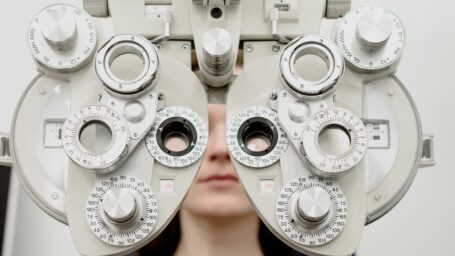
Thorough eye exams can help detect a number of issues before they become more serious. Also, some serious health problems can affect your eyes, so an eye exam can often help diagnose other illnesses.
Because some eye conditions have no symptoms, you should have a regular eye exam every one to two years, depending on your age. And if you are diagnosed with a condition, more frequent eye exams may be recommended.
A thorough eye exam generally includes:
- Visual Acuity Testing – Typically performed with a Snellen Eye Chart
- Refraction – A test to determine your need for glasses or contact lenses
- Slit Lamp Examination – Allows the doctor to perform a visual inspection for cataracts as well as cornea and iris conditions
- Dilated Eye Examination – Allows the doctor to look at your optic nerves and your entire retina
- Tonometry – Measures the pressure of your eyes
In addition, our doctors will also inspect the areas surrounding your eyes, including your lashes, skin and tear ducts. Doctors will check to ensure you are able to move your eyes normally and that both eyes move together.